
TL;DR: Corporate wellness ROI measures the value a company receives from its wellness investment compared to program costs. While participation rates and activity tracking provide useful engagement insights, organizations should also evaluate healthcare costs, absenteeism, productivity, employee retention, health outcomes, and overall workforce well-being. The most successful company wellness programs measure both ROI (financial return) and VOI (value on investment) to demonstrate their full impact.
What is Corporate Wellness ROI?
A successful company wellness program should deliver measurable value for both employees and the organization. However, proving that value requires more than simply tracking participation numbers or challenge completions. Corporate wellness ROI measures the financial return generated by a wellness program relative to its cost. It helps employers understand whether their investment is improving workforce health, reducing costs, increasing productivity, and supporting broader business goals.
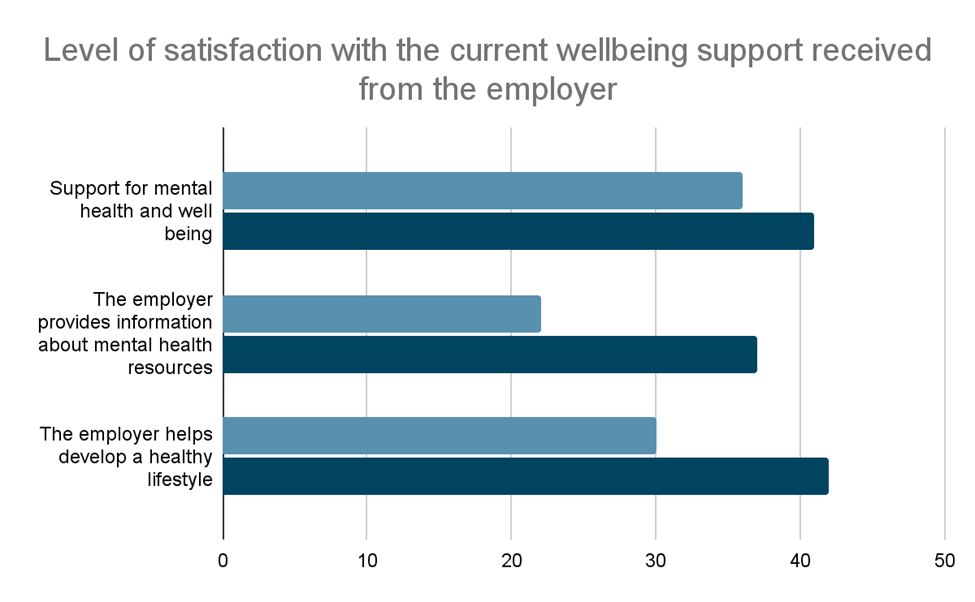
While participation metrics remain important, they only tell part of the story. The real question is whether a wellness program is creating meaningful outcomes for employees and the organization. According to a survey by the American Psychological Association, 92% of surveyed employees said that it is very important to be part of an organization that values their emotional and psychological well-being.
Why Participation Alone Isn’t Enough
Many organizations focus heavily on participation rates when evaluating wellness success. While participation can indicate awareness and initial engagement, it does not necessarily demonstrate impact.
For example:
- A challenge may achieve 80% participation but produce no meaningful health improvements.
- A health risk assessment may have lower participation but identify significant risk factors and support targeted interventions.
- A wellness initiative may improve retention or reduce absenteeism without generating exceptionally high engagement numbers.
This is why leading organizations are shifting from measuring activities to measuring outcomes. Learn more about how leading organizations are measuring wellness program outcomes beyond participation and activity tracking.
1. Define Success: Determine the Objectives and Key Performance Indicators (KPIs) of Your Wellness Program
Before embarking on the journey of measuring ROI, organizations must clearly define the objectives of their corporate wellness programs. These objectives should align with the company’s overall goals and reflect a genuine commitment to employee well-being. Whether focusing on reducing healthcare costs, improving employee morale, or increasing productivity, setting clear and measurable goals is the first step toward a successful wellness program.
Defining and tracking KPIs play a pivotal role in tracking the progress and impact of wellness initiatives. When defining KPIs, ensure they follow SMART (Specific, Measurable, Achievable, and Time-bound) guidelines. Common wellness KPIs include healthcare costs, participation rates, absenteeism, productivity, retention, and employee health outcomes. The specific metrics you track should align with your organization’s wellness goals.
To understand and improve the impact of their wellness programs, organizations should apply both quantitative and qualitative measures.
Quantitative Measures: Track and Analyze Data to Assess the Financial and Non-Financial Impact of Your Program
Quantitative measures are essential for assessing the financial and non-financial impacts of corporate wellness programs. Analyzing data provides concrete evidence of the program’s effectiveness and helps organizations make informed decisions for future improvements. Here are key quantitative measures to consider:
- Healthcare cost savings: Calculate the reduction in healthcare costs, including medical claims, prescription expenses, and hospitalization, as a result of the wellness program. To do this, you can calculate the before-and-after healthcare spending.
- Wellness return on investment (ROI): Compare the total costs of implementing the wellness program to the financial benefits achieved. The ROI formula is: ROI = (Program Benefits – Program Costs) ÷ Program Costs × 100. While the formula is simple, identifying meaningful benefits requires organizations to track a range of business, engagement, and health metrics.
- Productivity metrics: Use data on employee productivity, such as project completion times, error rates, and overall efficiency, to assess the impact of the wellness program on workplace performance.
- Employee turnover rates: One of the main causes of employee turnover is burnout. According to the American Psychological Association, employees who experience burnout are twice as likely to leave their jobs. Evaluate whether the wellness program has contributed to a reduction in employee turnover by creating a healthier and more positive work environment.
- Absenteeism reduction: Measure the decrease in absenteeism rates and associated costs resulting from improved employee health and well-being
- Health metrics: Assess if your employees are healthier than before the wellness program was implemented. Wearable devices help employees track health metrics such as blood pressure, daily steps, and sleep quality. Providing a way for your employees to submit data anonymously maintains their privacy while giving you the data you need. Improvement in any of these metrics may mean the wellness program is working well.
Qualitative Assessment: Use Surveys, Feedback, and Employee Testimonials to Understand the Impact of Your Wellness Program
While quantitative data provides a numerical perspective, qualitative assessments offer valuable insights into the holistic impact of corporate wellness programs on employees’ well-being and satisfaction. Incorporating employee feedback through surveys, focus groups, and testimonials provides a more nuanced understanding of the program’s effectiveness. Consider the following qualitative assessment methods:
- Employee surveys: Administer surveys to gather feedback on employees’ perceptions of the wellness program. Inquire about satisfaction levels, perceived benefits, and suggestions for improvement.
- Focus groups: Conduct focus group sessions to delve deeper into employees’ experiences with the wellness program. This interactive approach allows for in-depth discussions and the exploration of diverse perspectives.
- Individual success stories: Showcase individual success stories and testimonials from employees who have experienced positive outcomes from participating in the wellness program. This not only highlights the program’s impact but also inspires others to engage actively.
- Employee assistance program (EAP) utilization: Assess the usage of EAP services, such as counseling and mental health support, to gauge the program’s effectiveness in addressing employees’ overall well-being.
The Four Categories of Wellness ROI Metrics
1. Financial Metrics
Financial outcomes are often the most important measures for executives and leadership teams.
Examples include:
- Healthcare claims costs
- Prescription drug costs
- Disability claims
- Workers’ compensation costs
- Return on investment (ROI)
These metrics help determine whether a company wellness program is reducing organizational costs over time.
2. Workforce Metrics
A healthy workforce often leads to stronger organizational performance.
Examples include:
- Absenteeism
- Presenteeism
- Employee turnover
- Retention rates
- Productivity indicators
Improvements in these areas can significantly impact business performance and operational efficiency.
3. Engagement Metrics
Engagement metrics help organizations understand whether employees are aware of and using available wellness resources.
Examples include:
- Program participation rates
- Challenge completion rates
- Health risk assessment completion
- Coaching utilization
- Content consumption
- App engagement
While engagement alone should not define success, it provides important context for evaluating overall program effectiveness.
4. Health Outcome Metrics
Health outcome data provides insight into whether wellness initiatives are improving employee well-being.
Examples include:
- Health risk assessment results
- Biometric screening outcomes
- Physical activity levels
- Stress indicators
- Chronic disease risk factors
- Overall health risk trends
Tracking changes over time helps organizations identify population health improvements and areas requiring additional support.
ROI vs. VOI: Why Both Matter
Many wellness leaders focus exclusively on financial return. However, some of the most important benefits of a company wellness program are difficult to quantify directly. This is where Value on Investment (VOI) becomes important. While ROI helps justify investment from a financial perspective, VOI captures many of the benefits that matter most to employees and organizational culture. Together, these measures provide a more complete picture of wellness program success.
ROI measures:
- Cost savings
- Reduced claims
- Reduced absenteeism
- Financial outcomes
VOI measures:
- Employee engagement
- Workplace culture
- Employee satisfaction
- Retention
- Employer brand
- Well-being improvements
The strongest wellness programs track both ROI and VOI to provide a more complete picture of success.
Measuring corporate wellness ROI requires organizations to look beyond participation and activity tracking. The most successful company wellness programs combine financial metrics, workforce outcomes, employee feedback, and health data to understand true impact. By measuring both ROI and VOI, organizations can continuously improve program effectiveness, demonstrate business value, and build a healthier, more engaged workforce.
About CoreHealth
The CoreHealth corporate wellness platform helps organizations develop, evaluate, and customize the best wellness programs. CoreHealth is dedicated to empowering health and wellness programs for other organizations. Our customizable platforms help businesses support their biggest assets: their employees. With a tailored CoreHealth program, your organization can improve employees’ health using a custom solution that seamlessly integrates with existing software.
Want to know more? Speak to one of our technology experts today!
Frequently Asked Questions
What is a good corporate wellness ROI?
A good corporate wellness ROI varies by organization, program design, and measurement methodology. Many organizations focus on long-term improvements in healthcare costs, absenteeism, productivity, and retention rather than expecting immediate financial returns.
Is participation rate a good measure of wellness program success?
Participation is an important engagement metric, but it should not be used as the sole measure of success. Organizations should also evaluate health outcomes, productivity, absenteeism, retention, and overall business impact when assessing wellness program effectiveness.
How long does it take to see ROI from a wellness program?
Some engagement metrics may improve within months, but meaningful health and financial outcomes often take one to three years to become measurable.
What metrics should employers track?
Employers should track a combination of financial, workforce, engagement, and health outcome metrics to gain a complete understanding of program effectiveness.
What’s the difference between ROI and VOI?
ROI measures financial return, while VOI measures broader organizational benefits such as engagement, culture, retention, and employee well-being.
