
Key Takeaways
- Recharge days are gaining momentum as a structured employee wellness strategy to combat rising burnout and daily workplace stress.
- Unlike traditional PTO, recharge days work best when implemented collectively, supported by leadership, and aligned with operational planning.
- Embedding wellness days within a broader employee wellness program ensures fairness, compliance, and measurable impact across engagement, retention, and productivity.
- With the right tools and data-driven insights, organizations can turn recharge days from symbolic gestures into sustainable performance strategies.
Employee burnout continues to rise even as organizations expand PTO, flexible schedules, and mental health benefits. This persistent strain is reflected in global workforce data: Gallup’s State of the Global Workplace report found that around 40% of employees experience stress “a lot” during the workday, underscoring how widespread burnout and chronic pressure have become.
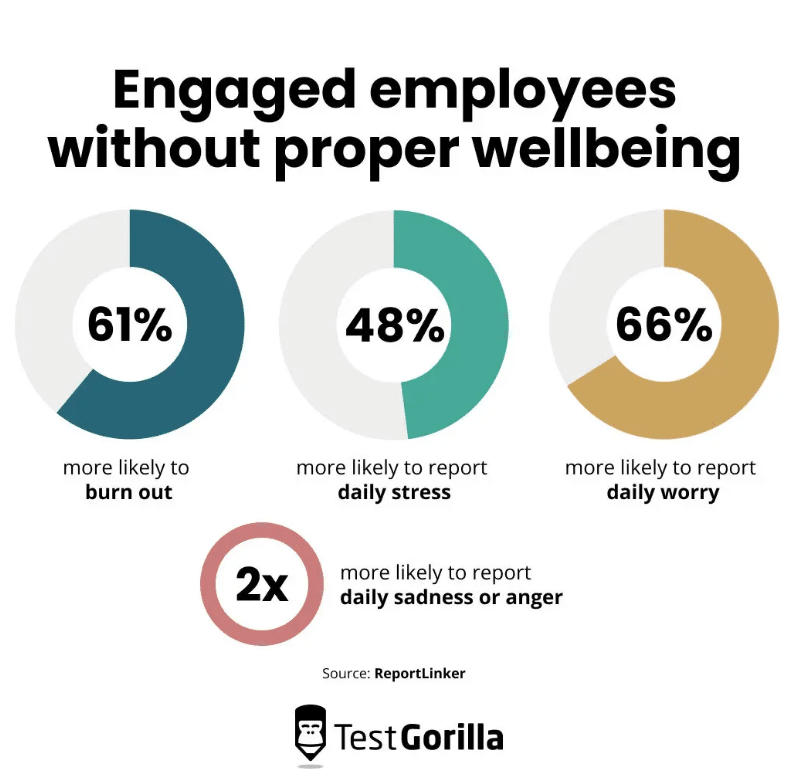
Engagement alone does not protect employees from burnout. In fact, highly engaged employees without proper well-being support may be even more vulnerable to chronic stress and emotional fatigue. This is why structured recovery mechanisms, such as recharge days, are gaining traction.
What Are Recharge Days and How Are Companies Making Them Work?
Recharge days at work are employer-initiated days off, often company-wide or team-wide, designed to support rest and recovery without requiring individual PTO requests. Unlike traditional leave, their effectiveness depends on synchronized downtime and leadership participation.
- Company-wide closures: Coordinated days where most or all employees are offline to prevent backlog and reduce guilt.
- Leadership modeling: Senior leaders visibly disconnecting to reinforce legitimacy.
- Strategic timing: Aligning recharge days at work with high-stress periods or natural workflow pauses.
Recharge days work best when they are intentional and collective rather than being treated as optional perks.
How to Include Wellness Days Off in Your Employee Wellness Program
Adding recharge days to the calendar sounds easy, but making them work takes more than blocking off a Friday. Without coordination across policy, payroll, and operations, even well-intentioned wellness days can create confusion, inequity, or additional stress.
When thoughtfully integrated, however, wellness days become part of how work is designed, not just how time off is granted.
And that distinction matters. Companies with strong workplace well-being initiatives report up to 20% higher productivity and reduced absenteeism. That tells us something important: recovery and performance are not competing priorities. When done well, they strengthen each other.
To make well-being time off sustainable and measurable, organizations need to focus on three priorities:
1. Legal and Compliance Alignment
Before announcing days for well-being, employers must ensure policies align with regulatory and workforce realities.
This includes:
- Exempt vs. non-exempt employee treatment
Pay structures differ, and hourly employees may require special consideration to maintain fairness and compliance.
- Regional labor laws
Global teams operate under different legal frameworks. What works in one country may not translate directly to another.
- Consistency across the workforce
Employees should experience recharge days as equitable, not as a benefit available only to certain teams.
Recharge days are a cultural signal, but they begin as a policy decision. When compliance and fairness are handled carefully, organizations build trust instead of confusion.
2. Policy Clarity: Define the Structure
Unclear policies create anxiety. Employees need clarity around how well-being time off functions within the broader employee wellness strategy.
Organizations should define:
- Eligibility: Are recharge days company-wide or team-specific?
- Frequency: Quarterly, biannual, or tied to high-intensity business cycles?
- Format: Fixed calendar dates, rotating schedules, or event-based pauses?
Strategic timing is especially important. Many organizations align recharge days with predictable high-stress periods, such as post-quarter deadlines or after major launches, when recovery is most needed.
Predictability helps employees plan their workload realistically. Without it, recharge days risk becoming rushed transitions rather than restorative pauses.
3. Payroll and Operational Planning
Well-being time off cannot succeed without operational support. Organizations must proactively plan for:
- Pay continuity: Employees should not experience financial ambiguity.
Example: If a company announces a quarterly recharge day, hourly employees are automatically paid for their scheduled shift without needing to use PTO.
- Workload redistribution: Deadlines and expectations should adjust to reflect time off.
Example: A marketing team schedules a recharge day following a product launch. Project timelines are adjusted in advance, internal deadlines are moved forward by two days, and no campaign deliverables are due immediately after the break. This avoids the “double workload” effect when employees return.
- Coverage planning: Customer-facing or essential teams may require staggered or rotating models.
Example: A marketing team implements staggered recharge days. Half the team takes Monday off while the other half takes Tuesday. Since most marketing work is project-based rather than real-time, deadlines can be planned in advance, and team members can cover urgent tasks if needed. This allows everyone to take meaningful time off without disrupting ongoing campaigns.
One of the reasons company-wide closures are effective is because they reduce backlog and eliminate the guilt of being offline while everyone else continues working. If only part of the organization pauses, employees often return to overflowing inboxes and compressed deadlines, which undermines the intended benefit.
Measuring the Impact: 3 Ways to Connect Employee Sentiment to Business Outcomes
Recharge days should not exist on intuition alone. Like any meaningful employee wellness initiative, they need to be measured.
Without tracking outcomes, organizations can’t tell whether wellness days are improving recovery or simply reshuffling workload pressure. The impact can be evaluated across three key areas:
Employee Sentiment and Engagement
Use pulse surveys and engagement scores to assess whether employees feel more supported, less overwhelmed, and better able to disconnect. Look for trends over time, not just one-off feedback.
Retention and Absenteeism Patterns
Are voluntary turnover rates stabilizing? Is unplanned time off decreasing? Effective recovery mechanisms often correlate with stronger retention and fewer stress-related absences.
Productivity and Sustainability Indicators
Monitor error rates, deadline slippage, and signs of presenteeism. If well-being days off are working, you should see improved focus and steadier performance, and not compressed stress cycles.
When wellness days are embedded within a structured employee wellness program, organizations gain clearer visibility into participation, behavioral trends, and recovery patterns. That data allows leaders to refine timing, frequency, and communication rather than relying on assumptions.
Recovery Is a Strategic Choice
Configurable wellness challenges, integrated employee engagement tools, automated reporting, and real-time insights give organizations the visibility and flexibility needed to manage employee well-being strategically. This is exactly what CoreHealth provides.
Instead of reactive solutions to burnout, CoreHealth provides the infrastructure companies need to design sustainable performance systems, where recovery is intentional, measurable, and embedded year-round.
