
TL;DR — Health Risk Assessments at a Glance
A health risk assessment (HRA) is a confidential tool employers use to measure workforce health, identify risks, and guide preventive wellness strategies.
- Purpose: Pinpoint health risks and shape targeted wellness programs.
- Process: Employees complete a secure health questionnaire and optional biometric screening; results are analyzed to reveal trends and improvement areas.
- Value: HRAs provide the data that links wellness participation to reduced health risks, better engagement, and measurable ROI.
- Best practice: Use a secure, integrated platform—like CoreHealth’s—to connect HRA data with ongoing wellness analytics and report long‑term outcomes.
Helping organizations measure, understand, and improve workforce wellness
Rising healthcare costs and an increased focus on prevention have made health risk assessments (HRAs) a cornerstone of successful employee wellness strategies. This guide explains what HRAs are, how they work, and how employers can use them to gain actionable insights, improve outcomes, and demonstrate wellness program value for a healthier, more engaged workforce population.
What is a Health Risk Assessment?
A health risk assessment (HRA) is a confidential questionnaire and data‑collection process that evaluates an individual’s health status, lifestyle habits, and potential risk factors. Organizations use HRAs to identify population health trends and design targeted wellness initiatives that reduce risk and enhance overall employee well‑being.
An HRA typically combines:
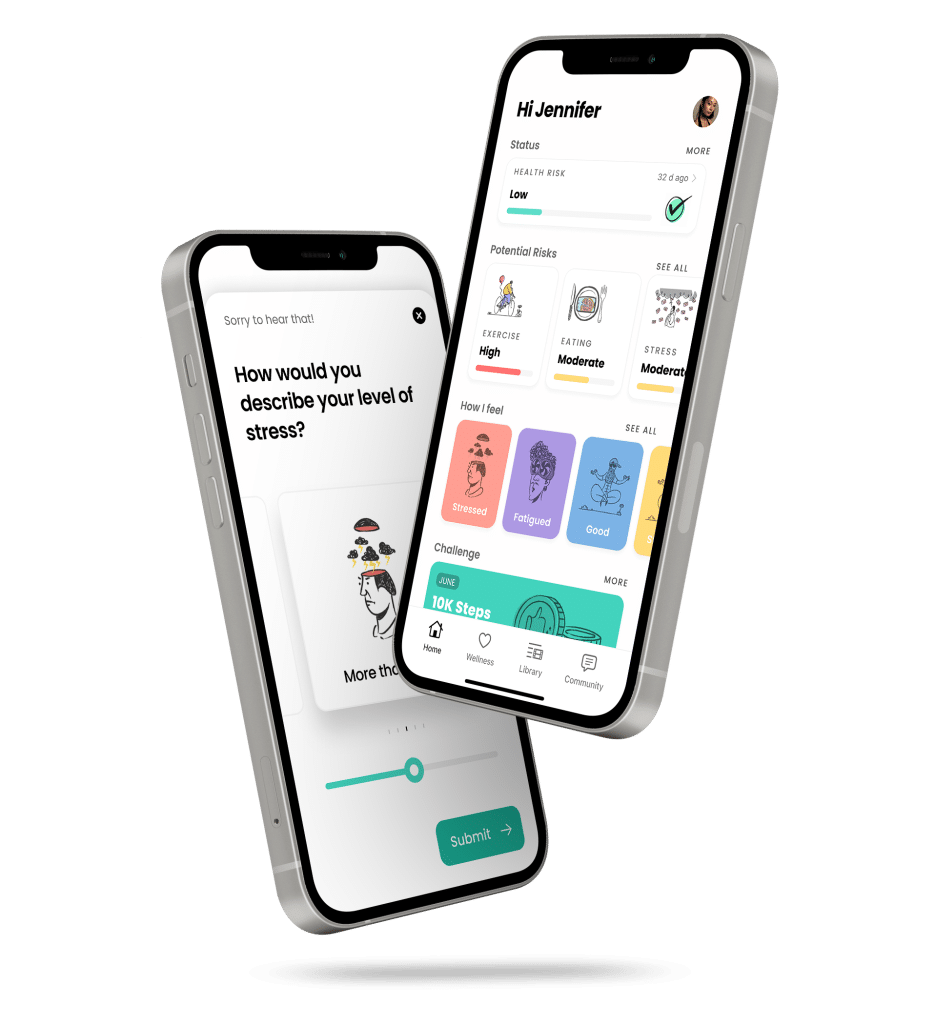
- A structured questionnaire on lifestyle, medical history, and behavior
- Optional biometric screenings or digital health data inputs
- A scoring model that translates results into risk categories
- Personalized feedback and recommendations
Why HRAs Matter for Employers
1. Informed Wellness Strategy
HRA insights help organizations tailor programs for real workforce needs—whether that’s stress reduction, nutrition improvement, or preventive screening initiatives.
2. Early Detection and Prevention
Early identification of modifiable risks (such as physical inactivity or unmanaged stress) supports preventive interventions, potentially reducing long‑term medical costs.
3. Data‑Driven ROI and VOI
HRAs generate the foundational data employers need to connect wellness participation with measurable outcomes—like improved productivity, reduced absenteeism, and stronger engagement.
4. Employee Empowerment
When employees receive clear feedback about their health status, participation in wellness programs increases, reinforcing a culture of personal accountability and well‑being.
How to Conduct an Effective Health Risk Assessment
Step 1. Define Goals and Population
Identify who will participate (employees, dependents, specific departments) and what outcomes the assessment will measure—such as risk reduction, engagement rates, or cost trends.
Step 2. Choose a Secure Digital Platform
Use a platform that ensures data privacy, compliance, and integration with your existing HR systems. CoreHealth provides secure, configurable HRA solutions that connect seamlessly to your wellness analytics and reporting dashboards.
Step 3. Communicate Transparently
Explain to employees how data will be used, ensure confidentiality, and communicate the purpose—building trust and participation.
Step 4. Gather and Analyze Data
Collect questionnaire responses and optional biometric results. Aggregate de‑identified data to identify trends across the workforce.
Step 5. Turn Insights Into Action
Translate data into personalized health improvement plans, targeted campaigns, or coaching programs. Align findings with leadership goals for measurable impact.
What Questions Should a Health Risk Assessment Include?
Every assessment can be customized, but effective HRAs typically cover:
- Lifestyle habits: nutrition, exercise, sleep, and stress
- Preventive care: screenings, immunizations
- Chronic conditions: blood pressure, cholesterol, weight management
- Mental well‑being: emotional resilience, burnout risk
- Readiness to change: awareness and motivation to improve habits
By mapping this data, employers can quantify behavioral risk and create wellness initiatives that meet employees where they are.
Data Privacy and Compliance
Handling health data requires the highest level of confidentiality. A compliant HRA platform should:
- Align with regional data protection regulations (e.g., GDPR, HIPAA equivalents)
- Use encrypted storage and secure cloud infrastructure
- Allow anonymized, aggregate reporting for employers
- Offer transparent opt‑in consent for employees
CoreHealth’s wellness technology is designed to meet rigorous security standards, ensuring the privacy and integrity of employee health data.
Measuring Success: Turning Data Into Value
What to Track
- Participation rates
- Risk category distribution (high/medium/low)
- Program engagement after assessment
- Progress over time (e.g., reduced risk factors)
- Health‑related productivity measures
Connecting HRA Results to ROI
Use multi‑year data trends to demonstrate outcomes, such as decreases in health risks, improved engagement scores, and reductions in claims‑related spending.
Beyond ROI: The Value on Investment (VOI)
While ROI measures financial impact, VOI demonstrates cultural and performance benefits—such as stronger morale, lower turnover, and enhanced employer brand perception.
Data Security and Personal Health Information
What is the difference between an HRA and a wellness survey?
An HRA collects clinical and behavioral data to estimate health risks; a wellness survey usually measures perceptions, satisfaction, and engagement. Both complement each other in a comprehensive wellness program.
How often should HRAs be conducted?
Most organizations administer HRAs annually or as part of a new program cycle to track progress and update interventions.
Can HRAs predict healthcare costs?
While HRAs don’t measure costs directly, aggregate risk data can correlate with claims data over time, giving employers a valuable indicator of cost trends.
How CoreHealth Supports Health Risk Assessments
CoreHealth’s wellness technology platform helps organizations deliver and manage HRAs as part of a larger wellbeing strategy.
With CoreHealth, you can:
Launch digital HRAs that engage participants and collect meaningful data
Integrate biometric results and wellness program information
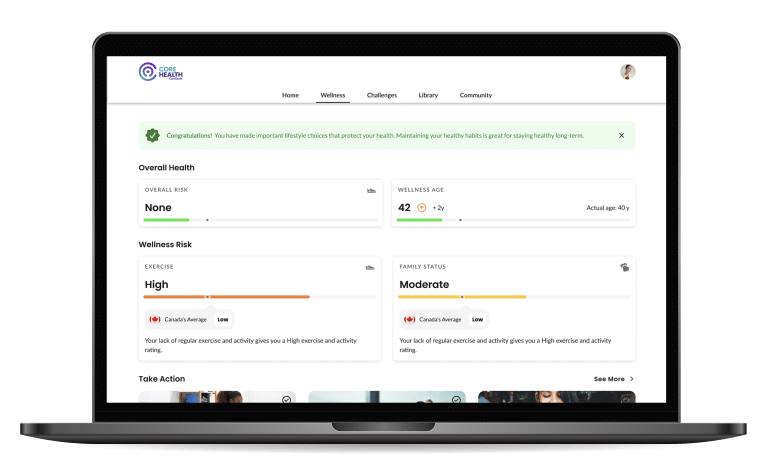
Provide personalized feedback and organizational insights
Combine assessment data with challenges, incentives, and coaching tools
Track participation and outcomes in one easy-to-use dashboard
Whether you support an employer population, a wellness network, or a health plan, CoreHealth helps you transform HRA data into measurable results.
Best Practices for Successful HRAs
A health risk assessment is not just a questionnaire. It is a starting point for building a healthier, more connected population.
When paired with the right technology and communication strategy, it can increase awareness, drive engagement, and support long-term wellbeing.
Best Practices
- Keep the HRA short and accessible with mobile optimization
- Provide immediate, personalized feedback for participants
- Integrate results with wellness programming (challenges, coaching, incentives)
- Use aggregate analytics dashboards to guide strategy
- Share success metrics and participation stories with leadership
The Future of Health Risk Assessments
Modern HRAs are evolving from static surveys into dynamic, data‑driven insights engines. With AI and real‑time analytics, CoreHealth enables employers to:
- Personalize recommendations
- Track progress longitudinally
- Benchmark outcomes across business units
- Support predictive wellness modeling
This evolution turns assessment insights into strategic assets for both employee health and business performance.
Ready to get started?
CoreHealth empowers organizations to unify health risk assessments, wellness initiatives, and analytics on a single platform.
Explore how you can collect better data, engage employees, and demonstrate ROI with a measurable, secure wellness ecosystem.
Contact us to learn how CoreHealth helps organizations deliver effective, data-driven HRAs that inspire healthier lives.
About CoreHealth
CoreHealth is a total well-being company trusted by global companies to power their health and wellness programs. Our wellness portals help maximize health, engagement, and productivity for over 3.5 million employees worldwide. We believe people are the driving force of organizations and supporting them to make behavior changes to improve employee health is in everyone’s best interest. With the most flexibility, customizations, and integrations of any software in its class, CoreHealth’s all-in-one wellness platform helps achieve great wellness outcomes.
From simple to sophisticated, it’s up to you.
Helping organizations measure, understand, and improve workforce wellness
Rising healthcare costs and an increased focus on prevention have made health risk assessments (HRAs) a cornerstone of successful employee wellness strategies. This guide explains what HRAs are, how they work, and how employers can use them to gain actionable insights, improve outcomes, and demonstrate wellness program value for a healthier, more engaged workforce population.
What is a Health Risk Assessment?
A health risk assessment (HRA) is a confidential questionnaire and data‑collection process that evaluates an individual’s health status, lifestyle habits, and potential risk factors. Organizations use HRAs to identify population health trends and design targeted wellness initiatives that reduce risk and enhance overall employee well‑being.
An HRA typically combines:
- A structured questionnaire on lifestyle, medical history, and behavior
- Optional biometric screenings or digital health data inputs
- A scoring model that translates results into risk categories
- Personalized feedback and recommendations
Why HRAs Matter for Employers
1. Informed Wellness Strategy
HRA insights help organizations tailor programs for real workforce needs—whether that’s stress reduction, nutrition improvement, or preventive screening initiatives.
2. Early Detection and Prevention
Early identification of modifiable risks (such as physical inactivity or unmanaged stress) supports preventive interventions, potentially reducing long‑term medical costs.
3. Data‑Driven ROI and VOI
HRAs generate the foundational data employers need to connect wellness participation with measurable outcomes—like improved productivity, reduced absenteeism, and stronger engagement.
4. Employee Empowerment
When employees receive clear feedback about their health status, participation in wellness programs increases, reinforcing a culture of personal accountability and well‑being.

How to Conduct an Effective Health Risk Assessment
Step 1. Define Goals and Population
Identify who will participate (employees, dependents, specific departments) and what outcomes the assessment will measure—such as risk reduction, engagement rates, or cost trends.
Step 2. Choose a Secure Digital Platform
Use a platform that ensures data privacy, compliance, and integration with your existing HR systems. CoreHealth provides secure, configurable HRA solutions that connect seamlessly to your wellness analytics and reporting dashboards.
Step 3. Communicate Transparently
Explain to employees how data will be used, ensure confidentiality, and communicate the purpose—building trust and participation.
Step 4. Gather and Analyze Data
Collect questionnaire responses and optional biometric results. Aggregate de‑identified data to identify trends across the workforce.
Step 5. Turn Insights Into Action
Translate data into personalized health improvement plans, targeted campaigns, or coaching programs. Align findings with leadership goals for measurable impact.
What Questions Should a Health Risk Assessment Include?
Every assessment can be customized, but effective HRAs typically cover:
- Lifestyle habits: nutrition, exercise, sleep, and stress
- Preventive care: screenings, immunizations
- Chronic conditions: blood pressure, cholesterol, weight management
- Mental well‑being: emotional resilience, burnout risk
- Readiness to change: awareness and motivation to improve habits
By mapping this data, employers can quantify behavioral risk and create wellness initiatives that meet employees where they are.
Data Privacy and Compliance
Handling health data requires the highest level of confidentiality. A compliant HRA platform should:
- Align with regional data protection regulations (e.g., GDPR, HIPAA equivalents)
- Use encrypted storage and secure cloud infrastructure
- Allow anonymized, aggregate reporting for employers
- Offer transparent opt‑in consent for employees
CoreHealth’s wellness technology is designed to meet rigorous security standards, ensuring the privacy and integrity of employee health data.
Measuring Success: Turning Data Into Value
What to Track
- Participation rates
- Risk category distribution (high/medium/low)
- Program engagement after assessment
- Progress over time (e.g., reduced risk factors)
- Health‑related productivity measures
Connecting HRA Results to ROI
Use multi‑year data trends to demonstrate outcomes, such as decreases in health risks, improved engagement scores, and reductions in claims‑related spending.
Beyond ROI: The Value on Investment (VOI)
While ROI measures financial impact, VOI demonstrates cultural and performance benefits—such as stronger morale, lower turnover, and enhanced employer brand perception.
Data Security and Personal Health Information
What is the difference between an HRA and a wellness survey?
An HRA collects clinical and behavioral data to estimate health risks; a wellness survey usually measures perceptions, satisfaction, and engagement. Both complement each other in a comprehensive wellness program.
How often should HRAs be conducted?
Most organizations administer HRAs annually or as part of a new program cycle to track progress and update interventions.
Can HRAs predict healthcare costs?
While HRAs don’t measure costs directly, aggregate risk data can correlate with claims data over time, giving employers a valuable indicator of cost trends.
How CoreHealth Supports Health Risk Assessments
CoreHealth’s wellness technology platform helps organizations deliver and manage HRAs as part of a larger wellbeing strategy.
With CoreHealth, you can:
Launch digital HRAs that engage participants and collect meaningful data
Integrate biometric results and wellness program information
Provide personalized feedback and organizational insights
Combine assessment data with challenges, incentives, and coaching tools
Track participation and outcomes in one easy-to-use dashboard
Whether you support an employer population, a wellness network, or a health plan, CoreHealth helps you transform HRA data into measurable results.
Best Practices for Successful HRAs
A health risk assessment is not just a questionnaire. It is a starting point for building a healthier, more connected population.
When paired with the right technology and communication strategy, it can increase awareness, drive engagement, and support long-term wellbeing.
Best Practices
- Keep the HRA short and accessible with mobile optimization
- Provide immediate, personalized feedback for participants
- Integrate results with wellness programming (challenges, coaching, incentives)
- Use aggregate analytics dashboards to guide strategy
- Share success metrics and participation stories with leadership
The Future of Health Risk Assessments
Modern HRAs are evolving from static surveys into dynamic, data‑driven insights engines. With AI and real‑time analytics, CoreHealth enables employers to:
- Personalize recommendations
- Track progress longitudinally
- Benchmark outcomes across business units
- Support predictive wellness modeling
This evolution turns assessment insights into strategic assets for both employee health and business performance.
Ready to get started?
CoreHealth empowers organizations to unify health risk assessments, wellness initiatives, and analytics on a single platform.
Explore how you can collect better data, engage employees, and demonstrate ROI with a measurable, secure wellness ecosystem.
Contact us to learn how CoreHealth helps organizations deliver effective, data-driven HRAs that inspire healthier lives.
About CoreHealth
CoreHealth is a total well-being company trusted by global companies to power their health and wellness programs. Our wellness portals help maximize health, engagement, and productivity for over 3.5 million employees worldwide. We believe people are the driving force of organizations and supporting them to make behavior changes to improve employee health is in everyone’s best interest. With the most flexibility, customizations, and integrations of any software in its class, CoreHealth’s all-in-one wellness platform helps achieve great wellness outcomes.
From simple to sophisticated, it’s up to you.