The Complete Guide to Health Risk Assessments

Helping people understand their health is the first step to improving it.

A health risk assessment (HRA) is one of the simplest yet most powerful tools for building a healthier, more engaged workforce population. It helps individuals gain insight into their current health and empowers organizations to design programs that make a measurable difference.

Whether you’re an employer or wellness provider, the right HRA tool provides the foundation for smarter, more personalized wellbeing initiatives.

What is a Health Risk Assessment?

A health risk assessment is a confidential questionnaire designed to help identify potential health risks and support preventive action. It typically combines self-reported lifestyle details and sometimes biometric data to create a personalized snapshot of an individual’s overall health. The goal is simple: to help people understand where they stand today and what small steps could lead to better health tomorrow.

The questionnaires often combines self-reported lifestyle information and biometric data to create a personalized snapshot of health.

Most HRAs include questions about:

  • Physical Health

    • Activity level, nutrition, and sleep quality

    • Biometric factors such as weight, blood pressure, and cholesterol

    • Presence or management of chronic conditions like heart disease, diabetes, or hypertension

    Mental and Emotional Wellbeing
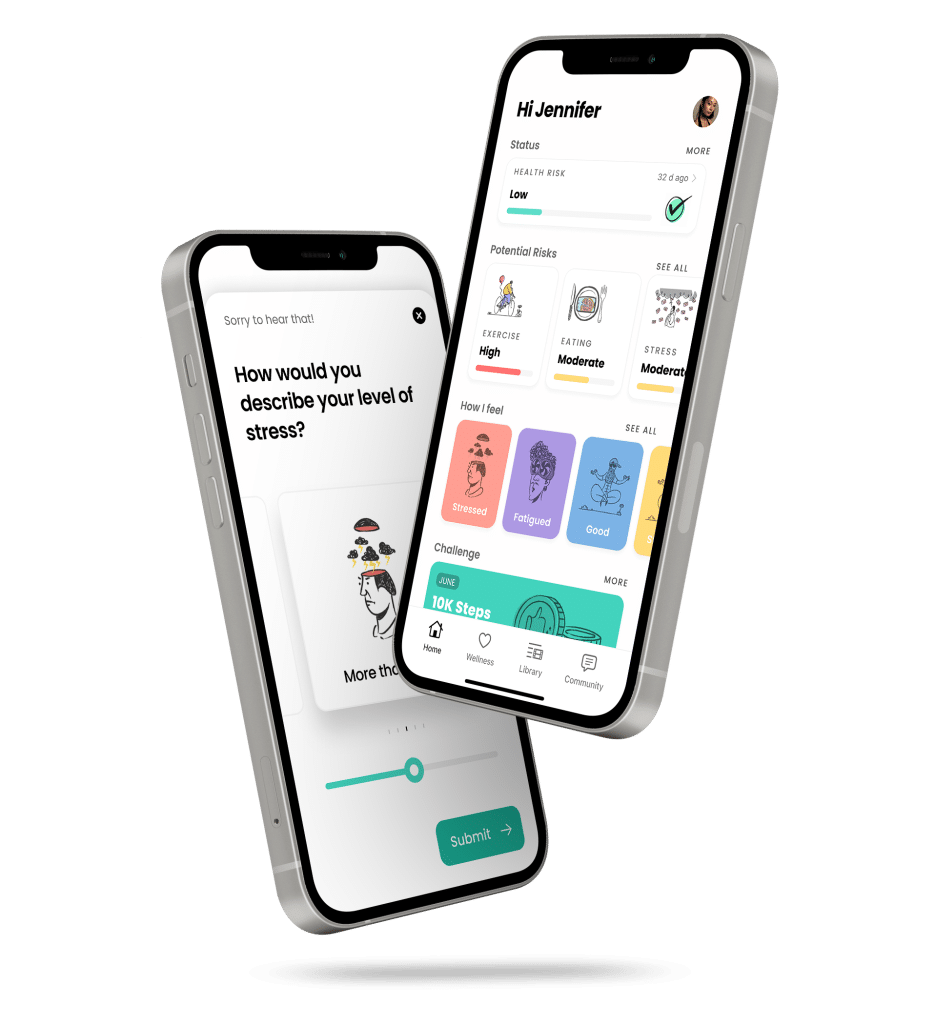
    • CoreHealth Checkpoint Health Risk Assessment

      Stress management and coping strategies

    • Emotional health, mood, and social support

    • Mindfulness, resilience, and overall life satisfaction

    Preventive and Medical Care

    • Preventive screenings and annual checkups

    • Medical and family health history

    • Awareness and management of personal health risks

    Lifestyle and Daily Habits

    • Tobacco, alcohol, and substance use

    • Eating patterns and hydration

    • Sleep habits and fatigue levels

    Work and Financial Wellbeing

    • Personal and workplace stress

    • Financial health and security

    • Productivity and overall work-life balance

    …and more areas designed to give a complete picture of an individual’s wellbeing.

When individuals complete an HRA, they receive personal feedback that helps them make small, measurable improvements. Organizations use the data in aggregate form to understand trends and build wellness strategies that improve outcomes.

Why Health Risk Assessments Matter

Health risk assessments benefit both individuals and organizations in meaningful ways. They turn awareness into action and data into decisions.

Recent research shows how impactful HRAs can be:

  • Early awareness saves costs and lives.
    According to the CDC, up to 75% of U.S. healthcare costs come from preventable chronic conditions such as diabetes and heart disease. HRAs help identify risks early so people can take preventive steps.

  • Personalization builds engagement.
    A 2023 Gallup Workplace Study found that employees who participate in personalized wellness programs are 3.5 times more likely to feel supported by their employer and twice as likely to say they’re thriving overall.

  • Employers see measurable ROI.
    The International Foundation of Employee Benefit Plans (IFEBP) reports that companies using HRAs as part of their wellness programs achieve a $1.50 to $3.00 return for every dollar spent, largely through improved productivity and reduced absenteeism.

A health risk assessment is not just a form or survey. It’s the foundation of a healthier, more connected population.

What to Look for in a Health Risk Assessment Tool

Choosing the right health risk assessment software can make a significant difference in participation and outcomes. The best tools are easy to use, trustworthy, and designed to inspire action. 

Here’s what to look for:

  1. Ease of use
    A simple, mobile-friendly experience increases participation and completion rates.

  2. Personalized results
    People respond best to insights that feel meaningful. Look for tools that provide tailored feedback and practical next steps, not just scores.

  3. Strong data security
    Protecting participant data is essential. Your HRA software should meet HIPAA and data privacy standards.

  4. Integration capabilities
    Seamless integration with your wellness platform or other third party systems helps connect insights across programs.

  5. Engaging experience
    Interactive formats, progress tracking, and visual results make the assessment more enjoyable and memorable.

  6. Reporting and analytics
    Aggregated reporting helps organizations track progress, identify trends, and measure the success of wellness programs.

The Benefits of a Health Risk Assessment

An online health assessment tool makes participation easy and accessible for everyone. Whether your audience is onsite, remote, or hybrid, digital tools bring convenience and scalability to wellness initiatives.

Benefits include:

  • Accessibility: Participants can complete the assessment anytime, from any device.

  • Higher engagement: Online tools are simple, quick, and flexible.

  • Instant feedback: Participants receive immediate insights that encourage follow-through.

  • Actionable data: Real-time reports help organizations identify priorities and allocate resources effectively.

A HRA is the bridge between awareness and action. It empowers participants to take the next step and helps wellness teams keep programs responsive and effective.

How to Introduce a Health Risk Assessment

A successful HRA rollout depends on communication and trust. People need to understand why it matters and how their information will be used.

Here’s how to make the process smooth and positive:

  1. Clarify the purpose. Emphasize that the HRA supports wellbeing, not performance evaluation.

  2. Ensure privacy. Reinforce that results are confidential and only shared in group form.

  3. Keep it short and accessible. A brief, easy-to-complete questionnaire increases participation.

  4. Promote it positively. Use emails, incentives, or wellness challenges to encourage engagement.

  5. Share results and resources. Provide useful insights and connect participants to relevant programs or support.

  6. Use the data to improve. Analyze the results, identify trends, and adjust your wellness strategy accordingly.

When participants feel informed and supported, completion rates rise – and the insights you collect become even more valuable.

Health Risk Assessment Report

Data Security and Personal Health Information

Health risk assessments involve sharing sensitive health information, so protecting that data is essential. Both employers and employees play a role in ensuring it is handled responsibly and securely.

Why Data Security Matters

Completing an HRA often requires participants to share personal health and lifestyle information. In some cases, particularly for organizations that offer group health plans, additional data such as insurance claims may also be accessible to HR teams, wellness vendors, or plan administrators.

Without the right safeguards, this creates potential risks around privacy and data use. That’s why transparency, compliance, and strong information security practices are critical parts of every wellness program.

Employer Responsibilities

Organizations that offer wellness programs must understand the legal and ethical responsibilities tied to collecting employee health data.

  • Ensure informed consent. Employees should clearly understand how their data will be used and what risks are involved before participating.

  • Limit data collection. Only request personally identifiable information (PII) if it is essential for program administration. The U.S. Department of Health and Human Services (HHS) requires employers to justify any access to individual medical records within program policies and procedures.

  • Prioritize secure vendors. Choose third-party wellness partners that follow recognized data protection standards and have a strong record of compliance.

CoreHealth has demonstrated its commitment to data protection and information security by achieving ISO/IEC 27001 Information Security Management Certification. This means all of CoreHealth’s partners can enjoy the benefits of wellness programs and the peace of mind that comes from knowing their data is secure.

How CoreHealth Supports Health Risk Assessments

CoreHealth’s wellness technology platform helps organizations deliver and manage HRAs as part of a larger wellbeing strategy.

With CoreHealth, you can:

  • Launch digital HRAs that engage participants and collect meaningful data

  • Integrate biometric results and wellness program information

  • Provide personalized feedback and organizational insights

  • Combine assessment data with challenges, incentives, and coaching tools

  • Track participation and outcomes in one easy-to-use dashboard

Whether you support an employer population, a wellness network, or a health plan, CoreHealth helps you transform HRA data into measurable results.

The Bottom Line

A health risk assessment is not just a questionnaire. It is a starting point for building a healthier, more connected population.

When paired with the right technology and communication strategy, it can increase awareness, drive engagement, and support long-term wellbeing.


Ready to get started?

Contact us to learn how CoreHealth helps organizations deliver effective, data-driven HRAs that inspire healthier lives.

About CoreHealth

CoreHealth is a total well-being company trusted by global companies to power their health and wellness programs. Our wellness portals help maximize health, engagement, and productivity for over 3.5 million employees worldwide.  We believe people are the driving force of organizations and supporting them to make behavior changes to improve employee health is in everyone’s best interest. With the most flexibility, customizations, and integrations of any software in its class, CoreHealth’s all-in-one wellness platform helps achieve great wellness outcomes. 

From simple to sophisticated, it’s up to you. 

Subscribe to Hear from Us

Stay up to date with our latest news.

You Might Also Like...

Webinar

Join CoreHealth and Spire Wellness for a 30-minute discussion on practical ways to engage employees, and to make wellness programs easier to manage and more meaningful for employees. Discover how Spire uses CoreHealth NOW to deliver a...

Case Study

See how Spire uses health risk assessments, automation, and incentives to strengthen participation and make wellness a continuous, data-informed strategy.

Ebook

Discover the top 5 employee wellness trends shaping 2026 from AI in healthcare to rising costs, GLP-1 drugs, mental health, and policy changes. Download the report for key insights HR leaders need now.