
The Complete Guide to Health Risk Assessments

TL;DR — Health Risk Assessments at a Glance

A health risk assessment (HRA) is a questionnaire that helps people understand factors that may affect their health and well-being. Depending on the assessment, it may also incorporate biometric information. Participants receive personal feedback, while organizations can use aggregated results to understand population needs and plan relevant wellness support.

An HRA is most useful when people understand why they are being asked to participate, how their information will be protected, and what will happen after they complete it.

This guide covers what HRAs include, how to introduce one, what to look for in an assessment, and how to turn results into useful next steps.

What is a Health Risk Assessment?

A health risk assessment (HRA) is a structured way to gather information about factors that may influence a person’s health. It typically asks about areas such as health history, lifestyle, preventive care, and well-being. Some HRAs also incorporate optional biometric information, such as blood pressure or cholesterol results.

The assessment translates responses into personalized feedback that can help participants understand potential risks and protective factors. When individual results are combined in a way that protects privacy, organizations can also see broader patterns that may inform their wellness strategy.

An HRA may include:

  • A questionnaire covering health history, behaviours, and well-being
  • Optional biometric or other health information
  • A method for assessing relevant risk factors
  • Personalized feedback and suggested next steps
  • Aggregate reporting for the organization
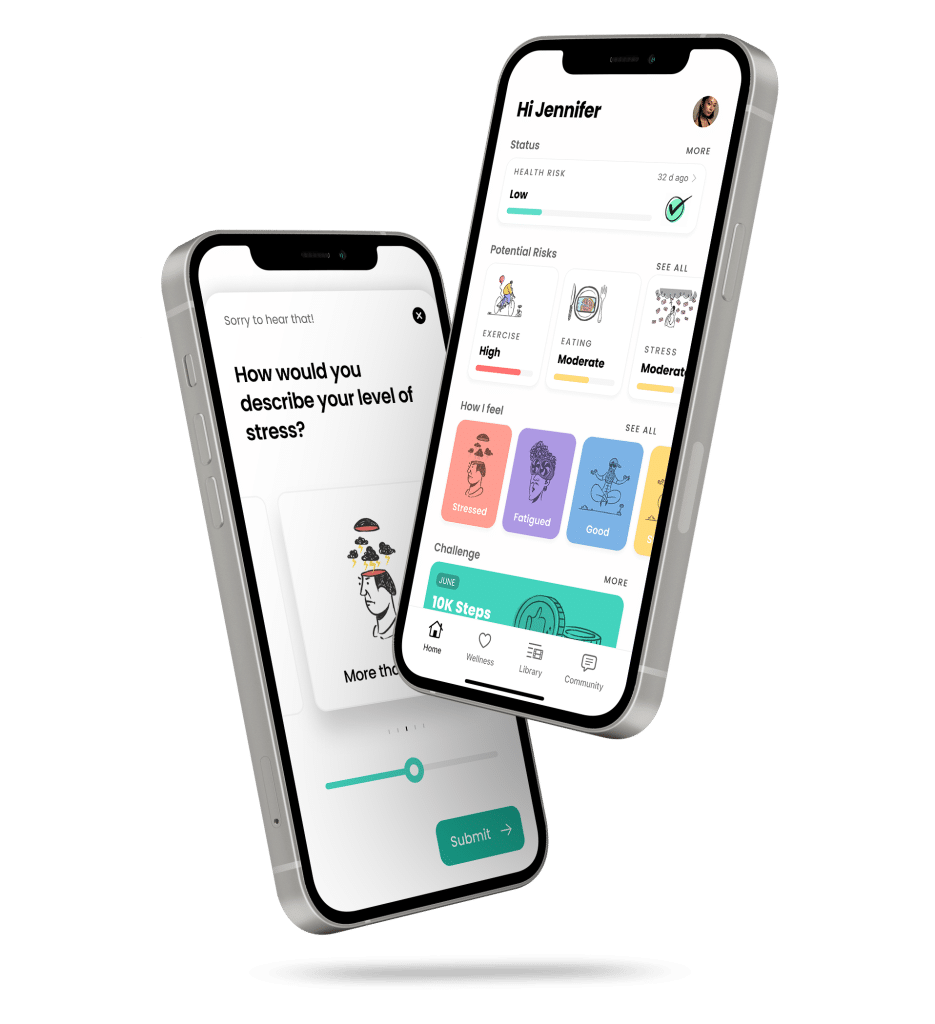
CoreHealth Checkpoint Health Risk Assessment

Why Health Risk Assessments Matter for Organizations

Without a clear picture of participant needs, it can be difficult to decide where to focus time and resources. An HRA can provide two perspectives:

  1. For participants, personal results can make health information easier to understand and point to relevant questions, resources, or preventive actions.
  2. For organizations, aggregate results can show which topics warrant attention across a population. Those findings can help guide decisions about education, communications, program resources, and future assessment.

For example, if aggregate results suggest that stress is a common concern across several locations, an organization could explore possible contributing factors, review the support already available, and make relevant resources easier to access. A later assessment may help it understand whether needs have changed. The HRA identifies a place to investigate; it does not, on its own, explain the cause or prove that a particular program worked.
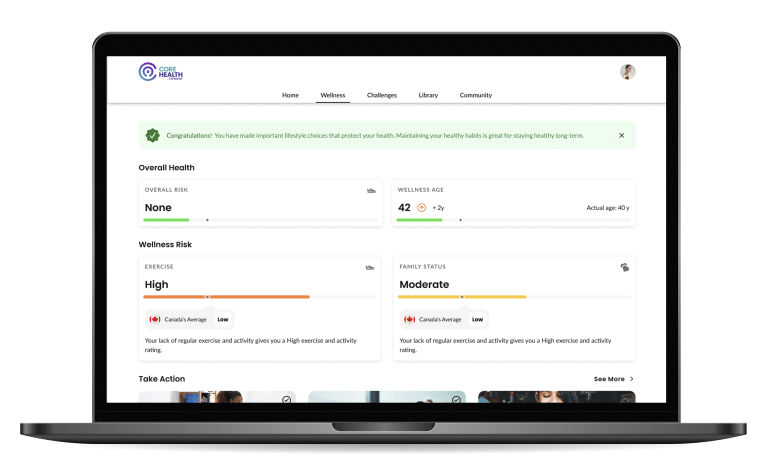
How to Conduct an Effective Health Risk Assessment

Step 1. Define Goals and Population

Decide what you want to learn and who the assessment is intended to serve. Consider which decisions the results should inform, whether different groups will need different support, and what baseline you may want to compare over time. Collect information because it has a clear purpose, not simply because the assessment can ask for it.

Step 2. Choose an appropriate assessment and platform

Review the assessment’s methodology, participant experience, reporting, privacy controls, accessibility, and language options. Consider whether it can work as a standalone assessment or connect with your wider wellness program, depending on your needs.

Step 3. Explain the experience before launch

Tell participants what the assessment covers, whether participation is voluntary, who can see individual results, how aggregate findings may be used, and what feedback they will receive. Clear communication is essential when asking people to share sensitive information.

Step 4. Review results at the right level

Give participants access to their own feedback and examine organizational results in aggregate. Look for patterns and changes over time, while being careful not to draw conclusions from small groups or treat a risk score as a diagnosis.

Step 5. Turn Insights Into Action

The value of an HRA comes from what happens after the assessment. Use the findings to identify questions worth exploring and support that may be relevant. That could mean making preventive resources easier to find, adjusting communications, connecting participants with appropriate services, or reviewing whether existing programs address the needs shown in the data.

This is why assessment is the starting point of the CoreHealth Wellness System: Assess → Engage → Analyze → Evolve. The framework connects an understanding of needs with relevant experiences, measurement, and ongoing adjustments. Organizations can enter and use it in the way that fits their programs.

What Should a Health Risk Assessment Questionnaire Include?

A health risk assessment questionnaire gathers information about the factors that can influence an individual’s current and future health risk. Depending on the assessment, questions may cover lifestyle behaviors, existing health conditions, preventive care, mental well-being and other factors that can influence current and future health (CMS guidance on Health Risk Assessments).

  • Lifestyle and daily habits: Physical activity, nutrition, sleep, tobacco use, and other behaviours
  • Health history and status: Relevant conditions and self-reported health information
  • Preventive care: Screenings and other preventive practices
  • Mental and social well-being: Stress, emotional well-being, and factors that may affect daily life
  • Readiness for change: Interests, goals, and the kinds of support a participant may find useful

By mapping this data, employers can quantify behavioral risk and create wellness initiatives that meet employees where they are.

What Should You Look for in a Health Risk Assessment?

When evaluating an HRA or health risk assessment software, consider how well it serves both participants and the organization:

When evaluating a health risk assessment, consider:

  • Credible methodology: Are the questions, risk calculations, and interpretation grounded in an established approach? Can the provider explain how results are produced?
  • Useful personal feedback: Will participants receive results they can understand, along with relevant next steps?
  • Meaningful aggregate reporting: Can the organization identify patterns and track changes while protecting individual privacy?
  • Appropriate benchmarking: Are comparisons relevant to the population and clearly explained?
  • Privacy and security: How is sensitive information collected, stored, accessed, and reported? What safeguards apply to small groups?
  • Accessibility: Can people use the assessment across the languages, devices, and accessibility needs of the population?
  • A path from insight to action: Can findings inform communications, resources, and programming after the assessment is complete?

The strongest assessment is not necessarily the one that collects the most data. It is the one that provides trustworthy, understandable information people can use.

Protecting Participant Privacy

Trust affects whether people feel comfortable completing an HRA. Before launch, establish clear answers to these questions:

  • What information will be collected, and why?
  • Who can access an individual’s results?
  • What will the organization see in its reports?
  • How will results from small groups be handled?
  • How will data be stored, retained, and protected?
  • What information will participants receive about consent and data use?

Privacy obligations vary by location and program. Organizations should review the rules that apply to them and make their practices clear to participants. Aggregate reporting should help leaders understand population needs without exposing individual health information.

Handling health data requires the highest level of confidentiality. A compliant HRA platform should:

  • Align with regional data protection regulations (e.g., GDPR, HIPAA equivalents)
  • Use encrypted storage and secure cloud infrastructure
  • Allow anonymized, aggregate reporting for employers
  • Offer transparent opt‑in consent for employees

CoreHealth’s wellness technology is designed to meet rigorous security standards, ensuring the privacy and integrity of employee health data.

Measuring Success: Turning Data Into Value

What to Track

  • Participation rates
  • Risk category distribution (high/medium/low)
  • Program engagement after assessment
  • Progress over time (e.g., reduced risk factors)
  • Health‑related productivity measures


Connecting HRA Results to ROI

Use multi‑year data trends to demonstrate outcomes, such as decreases in health risks, improved engagement scores, and reductions in claims‑related spending.


Beyond ROI: The Value on Investment (VOI)

While ROI measures financial impact, VOI demonstrates cultural and performance benefits—such as stronger morale, lower turnover, and enhanced employer brand perception.

Health Risk Assessment Report

Best Practices that Support Health Risk Assessment Success

A health risk assessment is not just a questionnaire. It is a starting point for building a healthier, more connected population.

When paired with the right technology and communication strategy, it can increase awareness, drive engagement, and support long-term wellbeing.

Best Practices

  • Explain the purpose, privacy protections, and value to participants before asking them to take part.
  • Make the assessment easy to access and complete.
  • Provide feedback that is clear and relevant to the individual.
  • Give participants a way to explore appropriate resources or next steps.
  • Review aggregate findings with the people responsible for program decisions.
  • Revisit the assessment and the actions that followed it as needs change.
  •  

How Wellness Checkpoint® by CoreHealth Supports Health Risk Assessment

Wellness Checkpoint® is CoreHealth’s health risk assessment solution. It helps participants understand their health and well-being through personalized feedback and gives organizations aggregate insight to inform their wellness programs.

Organizations can configure assessments for their populations, offer them in 26 languages, and review reporting on health risks and trends. Wellness Checkpoint® can be used on its own or alongside CoreHealth’s broader wellness technology, connecting assessment with relevant content, engagement opportunities, and ongoing analysis.

Frequently Asked Questions About Health Risk Assessments

What is health risk assessment software?

Health risk assessment software is a digital solution used to administer health risk assessments, calculate individual risk profiles, and provide personalized feedback based on participant responses. It can also aggregate assessment data to help organizations identify population health trends, understand areas of risk, and make more informed wellness program decisions.

More advanced health risk assessment software may also support benchmarking and longitudinal measurement, helping organizations understand how population needs and health risks change over time.

An HRA is designed to assess health-related factors and provide personal feedback. A wellness survey may instead ask about needs, experiences, interests, or satisfaction with a program. The two can complement each other, but they answer different questions.

The right timing depends on the program’s goals and what the organization plans to measure. Some conduct an HRA at launch and repeat it at regular intervals to understand changes. Whatever the schedule, participants should know why they are being invited to complete it again and how previous findings were used.

An HRA can identify patterns in reported health risks, but it does not directly predict an organization’s future healthcare spending. Cost analysis requires additional data and careful interpretation. It is more useful to view the HRA as one source of insight for planning and evaluating a wellness program.

Subscribe to Hear from Us

Stay up to date with our latest news.

You Might Also Like...

Guide

Learn how to build a connected workplace wellness strategy that brings assessment, engagement, insights, and continuous improvement together.

Guide

NOM-035 is a Mexican workplace standard designed to help employers identify, assess, and prevent psychosocial risk factors that can negatively impact employee well-being.

Guide

An introductory guide to wellness technology, covering what it is, how it works, and how organizations use it to support employee wellbeing and engagement at scale.