
A wellness challenge launches and hundreds of employees sign up. The program dashboard looks impressive with high registrations, a spike in activity the first week, and participation reports showing strong numbers.
But a few weeks later, something feels different. Activity slows down, fewer employees return to the platform, and the initial momentum begins to fade away. This raises an important question for organizations investing in employee well-being: Do participation numbers actually reflect the true impact of a company wellness program?
Tracking the right wellness program metrics is essential for understanding whether your company wellness program is driving meaningful employee engagement, behavior change, and business outcomes. While participation numbers provide a starting point, organizations should monitor a broader set of metrics to evaluate long-term program success.
What Are the Most Important Wellness Program Metrics to Track?
The most important wellness program metrics to track include participation rates, repeat participation, completion rates, wellness platform engagement, employee feedback, health outcomes, absenteeism, employee retention, healthcare cost trends, and wellness program ROI. Together, these metrics help organizations evaluate the effectiveness of their company wellness program and identify opportunities for continuous improvement.
How Wellness Program Metrics Support Company Wellness Program Success
A successful company wellness program requires more than strong enrollment numbers. Organizations that regularly monitor wellness program metrics can identify engagement trends, measure program effectiveness, justify wellness investments, and continuously improve employee wellbeing initiatives. By combining participation, engagement, satisfaction, and outcome data, employers gain a more complete picture of program performance.
Understanding the Difference Between Wellness Program Participation Metrics and Engagement Metrics
Many company wellness programs begin by measuring participation like observing how many employees registered for a program, completed a survey, or joined a challenge. These numbers are easy to track, but they often provide a limited view of program performance.
Participation metrics typically include:
- Program sign-ups
- Webinar or workshop attendance
- Challenge registrations
- Platform logins
While these indicators show initial interest, they don’t reveal whether employees remain involved or changed their habits. This gap between participation and true engagement is reflected in broader workplace data. Research from Gallup shows that only 23% of employees worldwide are engaged at work, highlighting how difficult it can be for organizations to sustain meaningful involvement in company wellness initiatives.
Employee engagement metrics go deeper. They measure how actively employees interact with wellness resources and whether they continue participating over time. Engagement reflects commitment, consistency, and behavioral change, which are far stronger indicators of company wellness program success.
For example, an employee who signs up for a stress management workshop is participating. But an employee who regularly practices stress management techniques, completes follow-up sessions, and reports improved well-being demonstrates true engagement.
Organizations that distinguish between participation and engagement can gain a clearer view of whether their wellness programs deliver meaningful outcomes.
10 Wellness Program Metrics That Reflect Employee Behavior and Outcomes
Some organizations track broader employee engagement metrics such as employee Net Promoter Score (eNPS), absenteeism, or retention rates. While these indicators reflect overall workplace engagement, they directly measure how employees interact with wellness programs.
Ten of the most valuable wellness program metrics include:
1. Participation Rate
Participation rate measures the percentage of eligible employees who enroll in wellness initiatives. While participation alone doesn’t indicate success, it provides a useful benchmark for awareness and initial interest in your company wellness program. Tracking participation trends over time can also help organizations evaluate the effectiveness of communications and program promotion efforts.
2. Repeat Participation
For a company wellness program, repeat participation is often one of the strongest indicators that employees find ongoing value in wellness initiatives.
For example:
- Joining multiple wellness challenges
- Attending recurring workshops
- Continuing to log activity on a wellness platform
High repeat participation suggests that employees find value in the program and are motivated to stay involved.
3. Completion Rates
Completion rates reveal whether employees follow through on wellness initiatives. High completion rates suggest a company wellness program is relevant, accessible, and aligned with employee needs.
Examples include:
- Finishing multi-week wellness challenges
- Completing health risk assessments
- Following through on coaching or learning modules
If participation numbers are high but completion rates are low, it may indicate that the program is not engaging enough or that it is difficult to sustain.
4. Wellness Platform Engagement
Digital wellness platforms provide detailed engagement data, such as:
- Frequency of logins
- Use of wellness resources
- Participation in community challenges
These employee engagement metrics help organizations understand which features employees actually use and where engagement drops off.
5. Employee Feedback and Satisfaction
Engagement is not only behavioral but also emotional. Employee feedback helps organizations refine their company wellness program and prioritize initiatives that resonate with participants. Pulse surveys and feedback forms help measure:
- Employee satisfaction with wellness offerings
- Perceived usefulness of resources
- Suggestions for improvement
Regular feedback helps organizations adapt programs based on real employee needs and preferences.
6. Health Risk Assessment Trends
Aggregated health risk assessment data can help organizations identify changes in employee health risks over time. Tracking trends can reveal whether wellness initiatives are supporting healthier behaviors and improved wellbeing outcomes.
7. Absenteeism
Monitoring absenteeism helps organizations assess whether wellness initiatives are contributing to improved employee health and workplace attendance. Reductions in absenteeism may indicate positive program impact.
8. Employee Retention
Employee retention can serve as a long-term indicator of workplace culture and employee satisfaction. While retention is influenced by many factors, effective wellness programs can contribute to a more positive employee experience.
9. Healthcare Cost Trends
Many organizations track healthcare claims and benefit utilization to evaluate the financial impact of wellness initiatives. Monitoring cost trends can help determine whether a company wellness program is contributing to long-term savings.
10. Wellness Program ROI
Return on investment (ROI) compares program costs against measurable outcomes such as reduced absenteeism, lower healthcare expenses, improved productivity, and retention. ROI helps demonstrate the business value of wellness investments.
Exploring How Employee Engagement Metrics Connect to Company Wellness Program Success
The goal of a wellness program is not just participation, but lasting improvements in employee well-being and organizational performance.
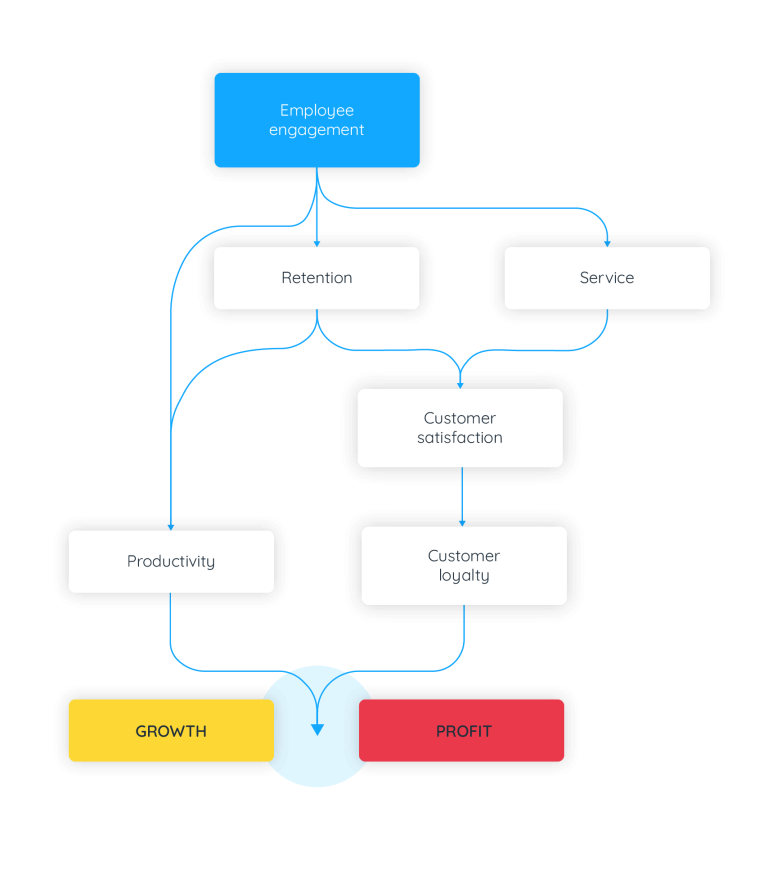
Employee engagement metrics help connect short-term program activity to long-term outcomes. When employees consistently engage with wellness initiatives, organizations are more likely to see positive results, such as improved productivity, lower absenteeism, and stronger retention.
Research also shows that organizations with highly engaged employees consistently outperform those with lower engagement levels.
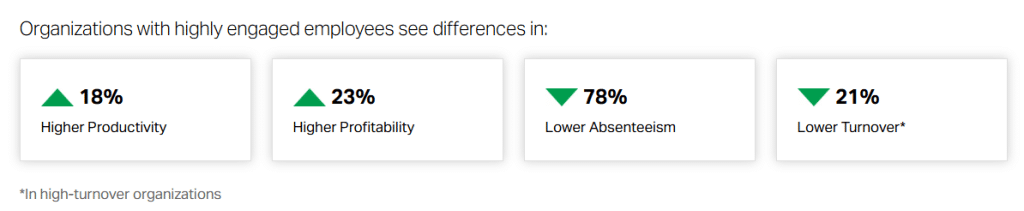
These outcomes are supported by broader engagement research. Organizations with highly engaged employees report 18% higher productivity, 23% higher profitability, 78% lower absenteeism, and 21% lower turnover, highlighting how engagement can translate into measurable business benefits. These outcomes occur because engaged employees are more likely to adopt healthier habits and integrate wellness practices into their daily routines.
Using Engagement Data to Improve and Refine Company Wellness Initiatives
Tracking employee engagement metrics is only valuable if organizations use that data to refine their programs. Organizations can use engagement data to:
Identify Popular Initiatives
Programs with high repeat engagement reveal what employees truly value. Expanding these initiatives can strengthen overall wellness program success.
Spot Engagement Barriers
Low completion rates may indicate that a program is too time-consuming, poorly communicated, or misaligned with employee needs.
Personalize Wellness Experiences
Engagement data allows organizations to tailor offerings based on employee interests, wellness goals, or risk factors.
Measure Long-term Impact
Tracking engagement trends over time helps determine whether initiatives are producing sustainable behavior change. Regular evaluation also ensures that wellness programs remain aligned with broader HR goals such as retention, employee satisfaction, and organizational performance.
Measuring What Truly Matters
By tracking the right wellness program metrics such as participation, repeat engagement, completion rates, employee feedback, absenteeism, retention, and ROI, employers gain a more complete understanding of company wellness program success. Reviewing these metrics together helps organizations identify opportunities for improvement, refine wellness initiatives, and create strategies that drive lasting employee wellbeing outcomes.
FAQ
What wellness program metrics should employers track?
Employers should track participation rates, repeat participation, completion rates, wellness platform engagement, employee feedback, absenteeism, retention, and wellness program ROI to evaluate company wellness program success.
Why are wellness program metrics important?
Wellness program metrics help organizations understand employee engagement, measure outcomes, and continuously improve their company wellness program.
What is the most important wellness program metric to track?
There is no single metric that defines success. Organizations should evaluate participation, engagement, employee satisfaction, and business outcomes together.
How often should wellness program metrics be reviewed?
Organizations should review wellness program metrics monthly or quarterly to identify trends, measure progress, and make data-driven improvements to their company wellness program.
About CoreHealth
CoreHealth’s corporate wellness platform helps organizations track participation, monitor engagement trends, and gain actionable insights that support more effective wellness initiatives. With the right tools and metrics in place, organizations can continuously strengthen their company wellness programs and deliver lasting value for employees and the business.
